Environmental compliance isn’t exactly the most exciting topic for most businesses. It’s usually something that sits quietly on a to-do list, right up until there’s an inspection, a complaint, or a problem that suddenly needs attention.
As Ireland moves further into 2026, environmental rules, expectations, and enforcement are continuing to evolve. For many businesses across Dublin, staying compliant isn’t just about avoiding fines anymore — it’s about protecting staff, customers, property, and reputation.
This guide looks at what environmental compliance in Ireland really means in 2026, who needs support, and why many organisations are turning to specialist environmental service providers like Principal Environmental to help them stay on the right side of regulations without unnecessary stress.
What Does Environmental Compliance Actually Mean?
At its core, environmental compliance means following the laws, regulations, and standards designed to protect the environment and public health.
In practical terms, that can cover a wide range of responsibilities, including:
- Managing waste correctly
- Preventing contamination or pollution
- Maintaining safe, hygienic buildings
- Controlling pests and biological risks
- Using chemicals and disinfectants responsibly
For many businesses, compliance isn’t about one single rule. It’s a combination of ongoing duties that need to be managed consistently.
Principal Environmental often works with organisations that are doing their best to comply, but don’t always have the internal expertise or time to stay on top of changing requirements.
What’s Changing in 2026?
While Ireland already has a strong environmental regulatory framework, 2026 brings increased focus on enforcement, documentation, and accountability.
Businesses are seeing more emphasis on:
- Demonstrating compliance, not just claiming it
- Regular inspections and audits
- Clear records of environmental and hygiene controls
- Responsibility across supply chains and contractors
This means informal or reactive approaches are becoming less acceptable. “We’ll deal with it if there’s a problem” is no longer a safe strategy.
In Dublin especially, where commercial density is high, environmental issues can affect neighbouring properties, staff, and the public more quickly — which often brings faster regulatory attention.
Who Needs Environmental Compliance Support?
One of the biggest misconceptions around environmental compliance is that it only applies to large industrial sites.
In reality, Principal Environmental works with a wide range of organisations across Dublin and beyond, including:
- Office buildings and business parks
- Retail units and shopping centres
- Hospitality venues such as hotels, cafés, and restaurants
- Warehouses and logistics facilities
- Healthcare and care facilities
- Property management companies
If a business operates from a physical premises, interacts with the public, or stores materials on site, environmental responsibilities almost certainly apply.
The Hidden Risks of Non-Compliance
Environmental non-compliance doesn’t always announce itself loudly. Often, issues build up quietly over time.
Some common risks include:
- Pest activity going unnoticed in plant rooms or storage areas
- Damp or poorly maintained spaces creating hygiene concerns
- Inadequate disinfection procedures during illness outbreaks
- Improper handling of waste or materials
Left unchecked, these issues can lead to:
- Inspection failures
- Operational disruption
- Reputational damage
- Costly remedial work
This is why many businesses now take a preventative approach rather than reacting when something goes wrong.
How Specialist Environmental Services Support Compliance
Environmental compliance isn’t just about paperwork. It’s about what’s happening day to day on the ground.
Principal Environmental supports businesses by addressing practical risks that often sit at the centre of compliance issues.
Pest Control and Environmental Risk
Pest activity is one of the most common environmental compliance issues in commercial settings. Rodents, insects, and birds don’t just cause damage — they pose health and hygiene risks.
Through its Pest Control Division, Principal Environmental helps businesses manage pest risks in a structured, compliant way rather than relying on ad-hoc treatments.
This is particularly important in regulated environments such as food handling, healthcare, and shared commercial spaces.
Property Care and Environmental Responsibility
Environmental compliance often starts with the condition of the building itself.
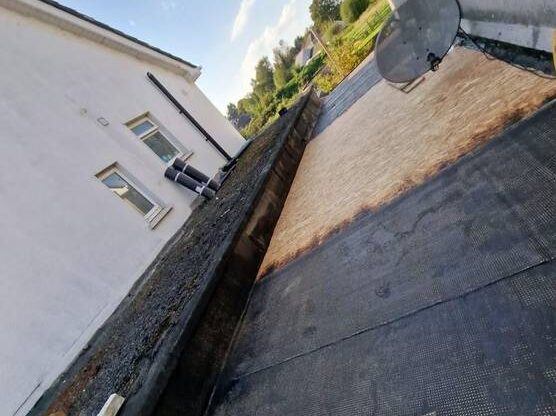
Poorly maintained properties can create ideal conditions for damp, mould, pest access, and hygiene issues. Over time, these problems can lead to compliance failures.
The Property Care Division focuses on identifying and addressing these underlying issues, helping businesses maintain buildings that are safe, compliant, and fit for purpose.
Chemical-Free Disinfection and Modern Hygiene Standards
Since recent public health events, expectations around cleaning and disinfection have shifted significantly.
Many businesses are now expected to demonstrate effective disinfection procedures that are safe, documented, and suitable for occupied environments.
Principal Environmental’s chemical-free fogging disinfection service offers a modern approach that supports hygiene and compliance without relying on harsh chemicals.
This is particularly useful in offices, schools, healthcare settings, and high-traffic commercial spaces.
Why Dublin Businesses Face Unique Challenges
Dublin’s commercial landscape presents a few unique challenges when it comes to environmental compliance.
- Older building stock with hidden issues
- High footfall in shared spaces
- Close proximity to neighbouring businesses
- Greater likelihood of inspections or complaints
These factors mean that small issues can escalate quickly, especially in multi-tenant or public-facing buildings.
This is why many Dublin-based organisations choose to work with environmental specialists who understand local conditions and regulatory expectations.
Taking a Proactive Approach in 2026
Environmental compliance doesn’t have to be overwhelming.
The businesses that manage it best tend to:
- Address risks early
- Work with experienced specialists
- Keep simple records of actions taken
- Review their approach regularly
Rather than treating compliance as a once-off task, it becomes part of how the business operates day to day.
Frequently Asked Questions
What is environmental compliance in Ireland?
Environmental compliance means meeting legal and regulatory requirements related to environmental protection, hygiene, and public health.
Do small businesses need environmental compliance support?
Yes. Any business operating from a physical premises may have environmental responsibilities, regardless of size.
Is pest control part of environmental compliance?
In many sectors, yes. Pest management is closely linked to hygiene, safety, and regulatory standards.
Why is documentation becoming more important?
Regulators increasingly expect businesses to demonstrate compliance through records, not just verbal assurances.
Are chemical-free disinfection methods acceptable?
Yes. When applied correctly, chemical-free methods can meet modern hygiene and compliance expectations.
Final Thoughts
Environmental compliance in Ireland is becoming more structured, more visible, and more important for businesses of all sizes.
For organisations operating in Dublin, taking a proactive, practical approach can prevent disruption and make compliance far easier to manage.
Working with experienced environmental specialists allows businesses to focus on what they do best, while knowing that environmental responsibilities are being handled properly behind the scenes.